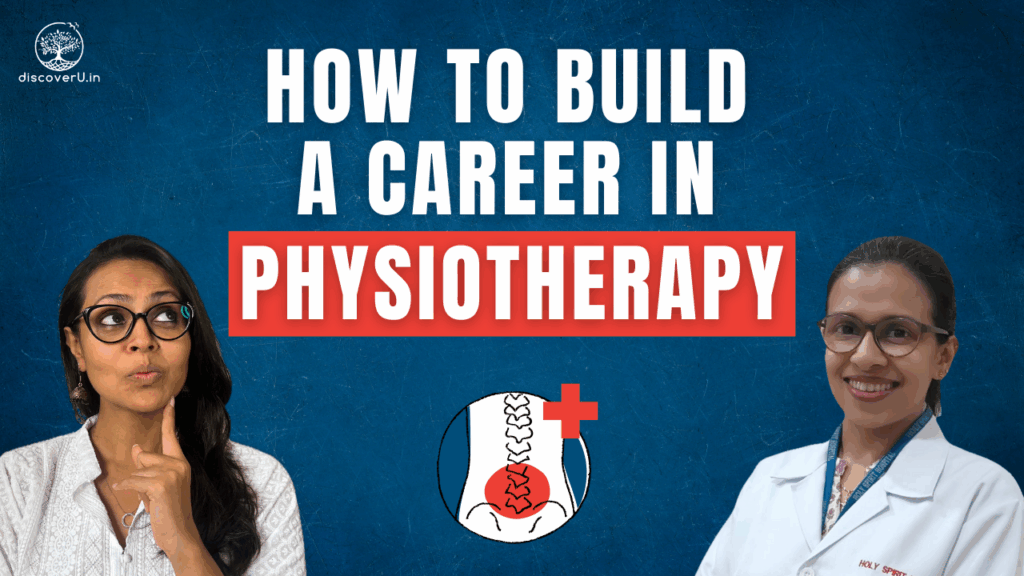
With over two decades of experience, Dr. Simone Mitchell has become a respected name in physiotherapy in India. In this conversation with DiscoverU founder Nahida Coelho, she talks about the inspiration behind her career choice, the challenges she’s faced, how the field has evolved, and her advice for aspiring physiotherapists.
Q&A with Dr. Simone Mitchell
1. Can you tell us what first inspired you to pursue a career in physiotherapy?
My journey started in an unexpected way. I watched a movie about rehabilitation that moved me deeply. It showed the incredible difference physiotherapy can make in someone’s life, and that’s when I knew I wanted to be part of this profession.
2. What were some defining moments in your early career?
Mentorship played a huge role. I was fortunate to have senior physiotherapists guide me not just in technical skills but also in professional ethics and how to approach patients with empathy. Those early years really shaped my work ethic and approach to patient care.
3. What challenges have you faced in your profession?
Physiotherapy in India is still evolving, and with that come challenges. There are misconceptions about what we do, and sometimes there’s a lack of respect from parts of the medical community. It’s changing, but slowly. I believe our consistent professionalism will continue to raise the profile of physiotherapy.
4. How has NEET impacted students aspiring to join the field?
NEET has increased competition, especially for those aiming for medical courses. Many students who don’t get into MBBS consider physiotherapy. While that’s not necessarily a bad thing, I think it’s important that students choose this profession out of passion, not as a fallback option.
5. What mindset and habits have helped you succeed?
Emotional intelligence is as important as clinical skill. Being able to connect with patients, understand their fears, and encourage them through recovery is key. And of course, sincerity and hard work — there are no shortcuts in healthcare.
6. You’ve been in the profession for more than two decades. How do you keep growing?
Continuous learning is non-negotiable. I regularly take up new certifications, attend workshops, and keep up with global trends in physiotherapy. The science keeps evolving, and so should we.
7. What advice would you give to aspiring physiotherapists?
Try shadowing a physiotherapist before you commit to the course. That real-world exposure will tell you if this is the right path for you. And if you do choose it, give it your 100% — be sincere, keep learning, and remember that you’re helping people get their lives back.
Key Takeaways
Physiotherapy can be a trailblazing career choice
As the first physiotherapist in her family, Dr. Simone Mitchell has built a 20+ year career marked by leadership and impact.
Inspiration can come from unexpected places
A movie about rehabilitation sparked her passion for helping patients regain independence.
Mentorship shapes careers
Early guidance from experienced physiotherapists provided the foundation for her professional growth.
Continuous learning is non-negotiable
International certifications and upskilling have kept her at the forefront of physiotherapy practice.
The profession is evolving in India
Physiotherapy is gaining recognition, but still faces misconceptions and under-representation in the medical hierarchy.
Entrance exams are changing career decisions
The NEET system has intensified competition, influencing how students choose healthcare careers.
Mindset matters as much as skill
Emotional intelligence, sincerity, and dedication are just as critical as technical expertise for long-term success.
Hands-on exposure helps students decide
Shadowing practitioners and gaining real-world experience can clarify whether physiotherapy is the right path.
Dr. Simone Mitchell is a highly experienced physiotherapist with over 20 years in the field. She has worked extensively across various specialisations in physiotherapy, mentoring young professionals and contributing to the growth of the profession in India. Known for her patient-centric approach and commitment to continuous learning, she has earned respect among peers and patients alike.